Product Review: The Altra Torin
Product Review: Altra Torin Running Shoes
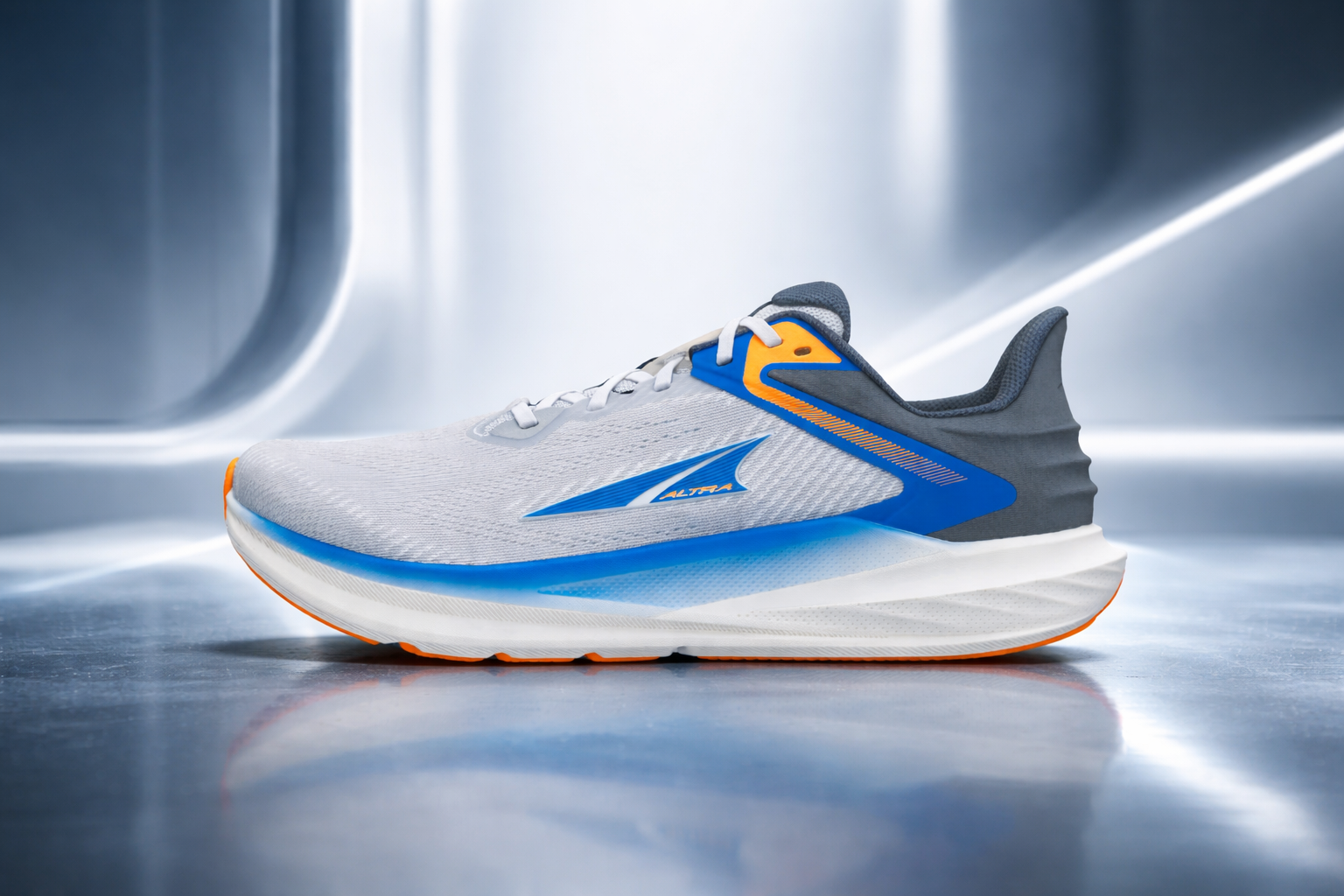
Since I mentioned it in the episode, I’ll expand a little on the shoe I’ve personally been running in for years: the Altra Torin. This isn’t sponsored, and it’s not meant to suggest that everyone should run in them. But they’re a good example of how finding the right shoe for your body and training style matters more than chasing the newest or fastest model.
First Impressions
The Torin is designed as a neutral daily trainer, built for runners who want a comfortable, high-mileage shoe that can handle a wide variety of runs. It’s not marketed primarily as a race shoe or a flashy super-trainer. Instead, it sits squarely in the category of a reliable everyday training shoe.
Two features define the Torin more than anything else:
Zero-drop platform (heel and forefoot at the same height)
Wide “FootShape” toe box
These design choices immediately make the shoe feel very different compared to most traditional running shoes.
Fit and Comfort
The first thing you notice when putting on the Torin is the toe box. Unlike many shoes that taper aggressively toward the front, the Torin allows your toes to spread naturally. For runners with wider feet—or anyone who dislikes cramped shoes—this can feel liberating.
This wider forefoot also helps with comfort on long runs. When your feet swell slightly over distance, you’re less likely to experience pressure points or numbness.
The upper is typically lightweight and breathable, with enough structure to hold the foot in place without feeling restrictive. Across multiple versions of the Torin, comfort has consistently been one of its strongest features.
Zero Drop: What It Means
The Torin uses zero drop, meaning there is no height difference between the heel and the forefoot.
Most traditional running shoes have a heel that sits 6–12 mm higher than the front of the shoe. By removing that difference, the Torin encourages a more natural foot position and can subtly influence running mechanics.
For some runners, this promotes:
a more midfoot or forefoot strike
improved posture while running
reduced reliance on the heel during landing
However, this design also means that runners transitioning from high-drop shoes need to adapt gradually, because zero-drop shoes place more load on the calves and Achilles.
Cushioning and Ride
Despite being zero-drop, the Torin isn’t a minimalist shoe.
It actually has plenty of cushioning, making it suitable for:
long runs
easy aerobic mileage
recovery days
high weekly training volume
The ride feels relatively soft but still stable. It’s not particularly aggressive or springy compared to modern “super shoes,” but that’s not its goal. The Torin prioritizes comfort and durability over maximal propulsion.
For runners doing consistent weekly mileage, that tradeoff often makes sense.
Durability and Longevity
One of the reasons I keep coming back to the Torin is durability.
For my own training, the shoe handles:
multiple runs per week
a mix of long runs and moderate workouts
long training cycles leading into major races
I’ve been able to use the same model repeatedly over the years with very few issues. That consistency matters when you’re trying to build long blocks of training without equipment becoming a variable.
Who the Torin Is Best For
The Torin tends to work best for runners who:
prefer zero-drop footwear
want a wide toe box
value comfort and injury prevention
run higher mileage
like a simple, reliable daily trainer
It’s especially appealing to runners who focus on running form and natural mechanics, since its design philosophy aligns with those goals.
Who Might Not Like It
The Torin may not be the best choice for runners who:
prefer a high heel drop
want a very narrow or race-style fit
are looking for maximum speed or propulsion
are used to very stiff plated shoes
Transitioning to zero drop can also require an adjustment period if you’ve always run in traditional shoes.
My Personal Experience
I’ve been running in the Torin for over a decade, mostly sticking with newer versions of the same model.
They’re not flashy.
They’re not the fastest shoe on the market.
But they allow me to do exactly what I need from a training shoe:
run consistently
train multiple times per week
handle long training cycles
stay injury-free
That’s ultimately the point. The best running shoe isn’t the one with the most hype—it’s the one that lets you train comfortably and consistently over time.